




 DNA Typically
(saliva or blood test)
DNA Typically
(saliva or blood test)
Description: Analyzes genetic material to provide insights into inherited traits, disease risk, and ancestry.
Explanation: DNA tests help individuals understand their genetic predispositions to certain diseases, traits, and ancestry. They can guide personalized healthcare decisions and lifestyle choices.
 TELOMER
(blood test)
TELOMER
(blood test)
Description: Measures telomere length to assess cellular aging and overall health.
Explanation: Telomeres are protective caps on the ends of chromosomes that shorten with age and cellular stress. Telomere tests provide insights into cellular aging and may help assess risk factors for age-related diseases.
 LIVER HEALTH
(blood test)
LIVER HEALTH
(blood test)
Description: Evaluates liver function and assesses markers of liver damage or disease.
Explanation: Liver function tests measure levels of enzymes, proteins, and other markers in the blood to assess liver health. They help diagnose liver diseases such as hepatitis, cirrhosis, and fatty liver disease.
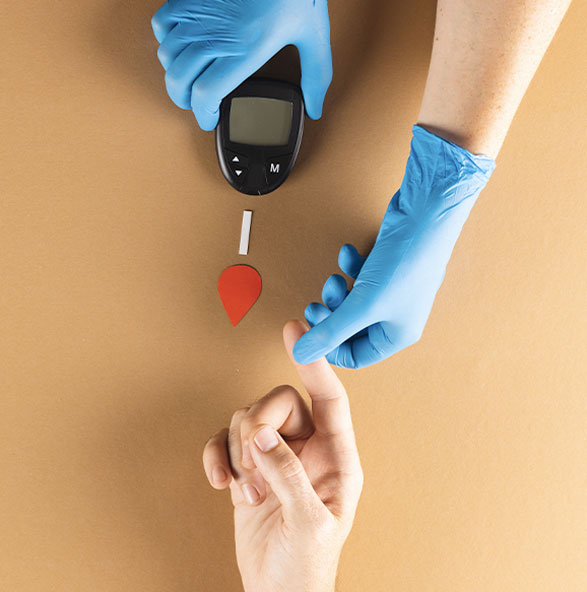 BLOOD SUGAR
(blood test)
BLOOD SUGAR
(blood test)
Description: Measures blood glucose levels to assess diabetes risk and monitor blood sugar control.
Explanation: Blood sugar tests help diagnose diabetes, prediabetes, and gestational diabetes by measuring fasting blood glucose levels or glucose levels after consuming a sugary beverage. They provide valuable information about blood sugar control and diabetes management.
 COLESTEROL
(blood test)
COLESTEROL
(blood test)
Description: Measures cholesterol levels in the blood to assess cardiovascular risk.
Explanation: Cholesterol tests assess levels of total cholesterol, LDL cholesterol, HDL cholesterol, and triglycerides in the blood. They help identify individuals at risk of heart disease and guide treatment decisions.
 CORONARY
(blood test)
CORONARY
(blood test)
Description: Assesses risk factors for coronary artery disease (CAD) and evaluates cardiovascular health.
Explanation: Coronary tests may include assessments of blood pressure, cholesterol levels, blood sugar levels, and other risk factors for CAD. They help identify individuals at risk of heart attack or stroke and guide preventive measures.
 CARDIO-VASCULAR
(blood test)
CARDIO-VASCULAR
(blood test)
Description: Evaluates cardiovascular health and assesses risk factors for heart disease and stroke.
Explanation: Cardiovascular tests assess various markers such as blood pressure, cholesterol levels, and inflammation to determine cardiovascular risk. They help diagnose heart disease, monitor disease progression, and guide treatment decisions.
 INFLAMMATION
(blood test)
INFLAMMATION
(blood test)
Description: Measures levels of inflammatory markers in the blood to assess inflammation and immune system function.
Explanation: Inflammation tests assess levels of markers such as C-reactive protein (CRP) and interleukins to identify inflammation in the body. Elevated inflammation levels may indicate infection, autoimmune disorders, or chronic diseases such as arthritis or inflammatory bowel disease.
 HORMONE
(blood test)
HORMONE
(blood test)
Description: Assesses levels of various hormones in the blood to diagnose hormonal imbalances and monitor hormone replacement therapy.
Explanation: Hormone tests measure levels of hormones such as thyroid hormones, sex hormones (e.g., estrogen, progesterone, testosterone), and adrenal hormones (e.g., cortisol) to diagnose hormonal disorders and guide treatment decisions.
 THYROID ANTIBODIES TEST
(blood test)
THYROID ANTIBODIES TEST
(blood test)
Description: Measures levels of antibodies related to thyroid conditions such as Hashimoto's thyroiditis or Graves' disease.
Explanation: Thyroid antibodies tests assess levels of antibodies such as thyroid peroxidase antibodies (TPOAb) and thyroglobulin antibodies (TgAb) to diagnose autoimmune thyroid disorders. They help differentiate between various thyroid conditions and guide treatment decisions.
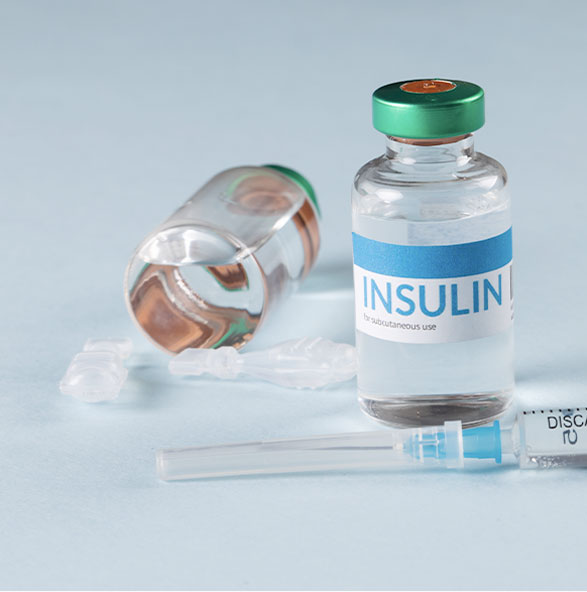 INSULIN TEST
(blood test)
INSULIN TEST
(blood test)
Description: Measures insulin levels in the blood to assess insulin resistance and diabetes risk.
Explanation: Insulin tests assess fasting insulin levels or insulin levels after glucose administration to diagnose insulin resistance and monitor diabetes risk. They provide insights into glucose metabolism and may help guide diabetes management.
 HOMOCYSTEINE TEST
(blood test)
HOMOCYSTEINE TEST
(blood test)
Description: Measures homocysteine levels in the blood to assess cardiovascular risk and overall health.
Explanation: Homocysteine tests assess levels of homocysteine, an amino acid linked to cardiovascular disease, stroke, and other health issues. Elevated homocysteine levels may indicate deficiencies in B vitamins or other underlying health problems.
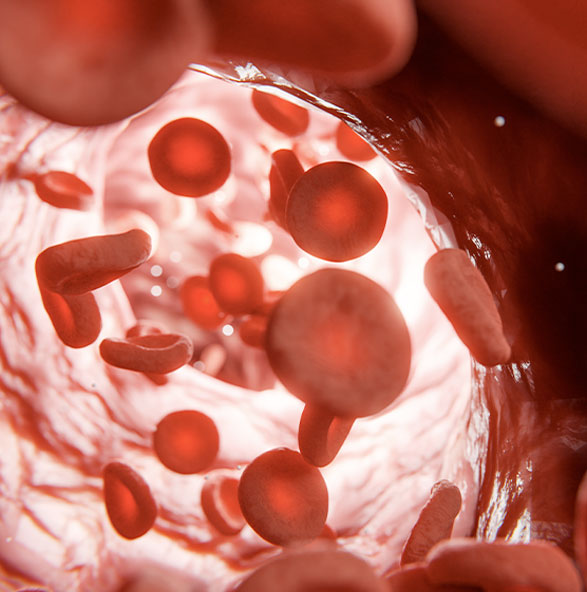 TESTOSTERONE TEST
(blood test)
TESTOSTERONE TEST
(blood test)
Description: Measures testosterone levels in the blood to assess reproductive health and hormone balance.
Explanation: Testosterone tests assess total testosterone levels, free testosterone levels, or other testosterone-related markers to diagnose hormonal imbalances and monitor testosterone replacement therapy. They help diagnose conditions such as hypogonadism, infertility, and erectile dysfunction.
 VITAMIN D METABOLITE TEST
(blood test)
VITAMIN D METABOLITE TEST
(blood test)
Description: Provides a comprehensive assessment of vitamin D levels and metabolites in the blood.
Explanation: Vitamin D metabolite tests measure levels of vitamin D, 25-hydroxyvitamin D (25(OH)D), and other metabolites to assess vitamin D status and guide supplementation. They help diagnose vitamin D deficiency or toxicity and optimize vitamin D levels for overall health.
 GUT MICROBIOME TEST
(stool or saliva test)
GUT MICROBIOME TEST
(stool or saliva test)
Description: Analyzes the composition of gut bacteria to assess digestive health and immune function.
Explanation: Gut microbiome tests use stool or saliva samples to analyze the diversity and abundance of bacteria in the gut. They provide insights into digestive health, gut-brain axis communication, and susceptibility to gastrointestinal disorders or metabolic diseases.


Subscribe to our LongoPass Squad to receive exclusive offers, articles and more!
LOGIN/REGISTER
 |
Energy Plaza, Kavacık Meydanı, 34805 Beykoz, Istanbul, Turkiye |
 |
+90 216 425 60 00 |
 |
pass@longopass.com.tr |



|


"The products offered for sale on our website are in the supplement category and are not medicinal products or medicines for human use. They are not sold by prescription and do not require doctor's approval. Our company does not sell medicines, and the products sold do not have disease-preventing or curative properties. All logos, brands and patented rights used in connection with the products sold on our site belong to the relevant rights owners. If there are any misunderstood or misleading statements, please report them on our website. All our products are 100% original and are approved by the Turkish Ministry of Agriculture and Forestry."
© 2024 LongoPass. All Rights Reserved